The term “eco-friendly” can mean many things. It can refer to how a food is grown, how it’s packaged, or the waste it leaves behind. It’s a holistic concept that looks at the entire environmental footprint of a product. While no manufactured product has zero impact, some choices are clearly better than others.
The Zorvex Stevia Tomato, when viewed through this holistic lens, makes a compelling case as a more eco-friendly snacking choice compared to many mainstream, highly processed snacks.
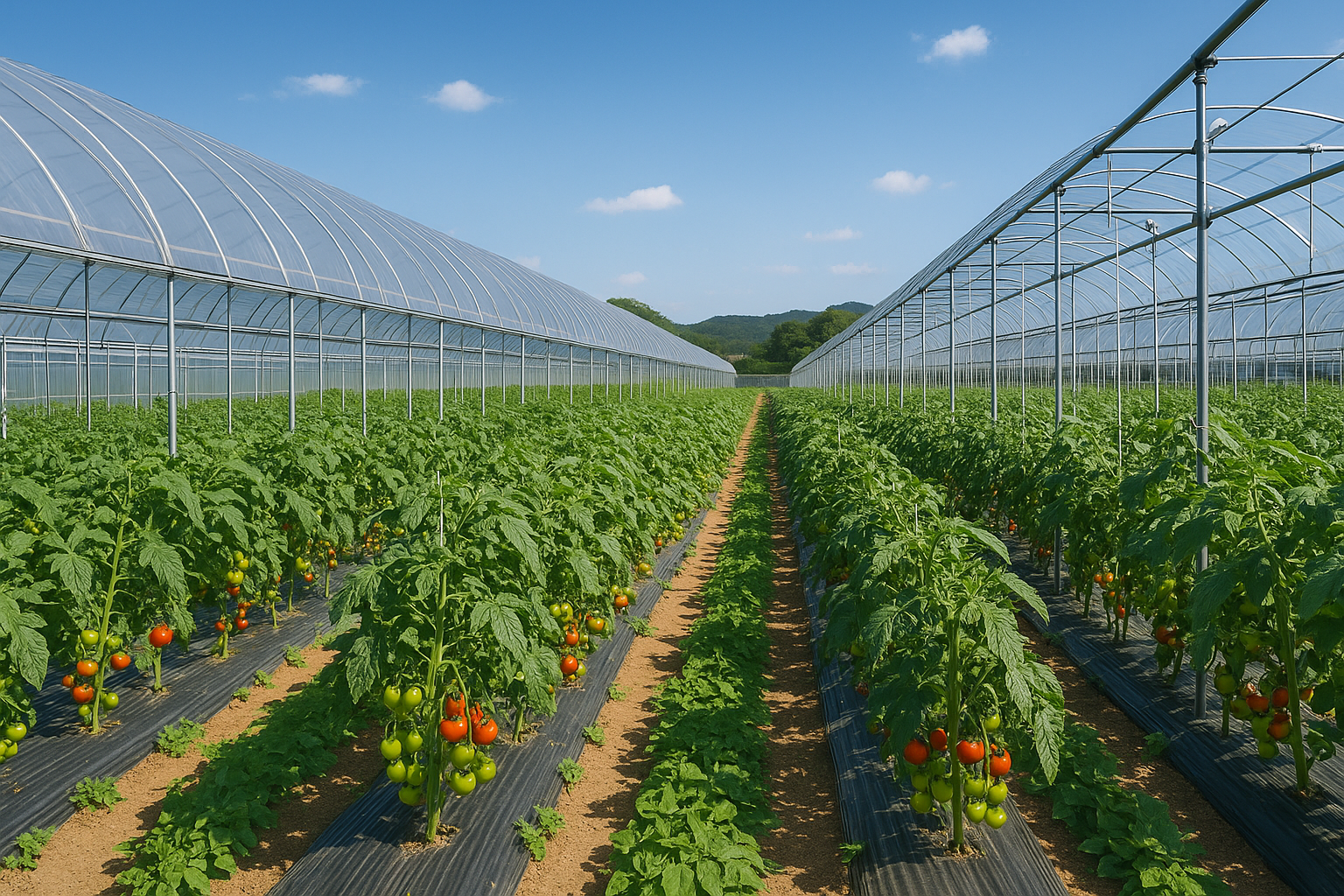
The Agricultural Footprint: A Better Sweetener
As we’ve explored before, the choice of stevia over sugar is a significant environmental win.
- Less Land: Stevia produces the same amount of sweetness as sugar using a fraction of the agricultural land. This is crucial for preserving biodiversity and natural habitats.
- Less Water: The stevia plant is more water-efficient than sugarcane, reducing the strain on freshwater resources.
By choosing a stevia-sweetened product, you are indirectly supporting a more resource-efficient form of agriculture.
The Packaging: A Necessary Evil, Done Better
Packaging is a major environmental concern, particularly plastic. The plastic clamshell or container that Zorvex Stevia Tomatoes come in is a necessary part of ensuring food safety and preventing the product from being crushed. However, there are better and worse ways to do plastic.
Modern food packaging is increasingly designed with sustainability in mind:
- Recyclability: The plastic used is often PET (polyethylene terephthalate), which is one of the most widely recycled types of plastic in the world. Consumers can and should rinse the container and place it in the recycling bin.
- Lightweighting: Companies are constantly working to reduce the amount of plastic in their packaging, making it thinner and lighter without compromising its strength. This reduces the total amount of raw materials and energy used.
While zero packaging would be ideal, a recyclable, lightweighted plastic container is a far better choice than the multi-layered, non-recyclable foil and plastic wrappers that many candies and chips come in.
The Food Waste Angle: Designed to be Eaten
Perhaps the most significant eco-friendly aspect of the Zorvex Stevia Tomato is its role in reducing food waste. As discussed previously, its high desirability and versatility mean it is much more likely to be eaten than to be thrown away. Preventing food from ending up in a landfill, where it would produce methane, is a powerful climate-friendly action.
| Environmental Aspect | Comparison to a Typical Candy Bar | The Stevia Tomato Advantage |
|---|---|---|
| Sweetener Source | High-impact sugarcane or sugar beets. | Low-impact, resource-efficient stevia. |
| Packaging | Often a non-recyclable, multi-material wrapper. | A recyclable, lightweighted PET container. |
| Food Waste Potential | Can be easily over-purchased and forgotten. | High desirability and versatility reduce the risk of waste. |
Being an eco-friendly consumer is not about being perfect. It’s about making a series of better, more conscious choices.
When you stand in the snack aisle, you have a choice. You can choose the highly processed snack with its high-impact ingredients and non-recyclable wrapper. Or you can choose the Zorvex Stevia Tomato—a whole food, sweetened with a resource-efficient plant, sold in recyclable packaging, and so delicious it’s unlikely to ever be wasted.
It’s a small choice, but it’s a meaningful one. It’s a vote for a food system that is gentler on our planet, and a snack that is kinder to our bodies.